Simple Wellness for a More Balanced Body

Posture & Alignment

Neck & Back Relief

Natural Healing Tips


Helping You Feel at Home in Your Body
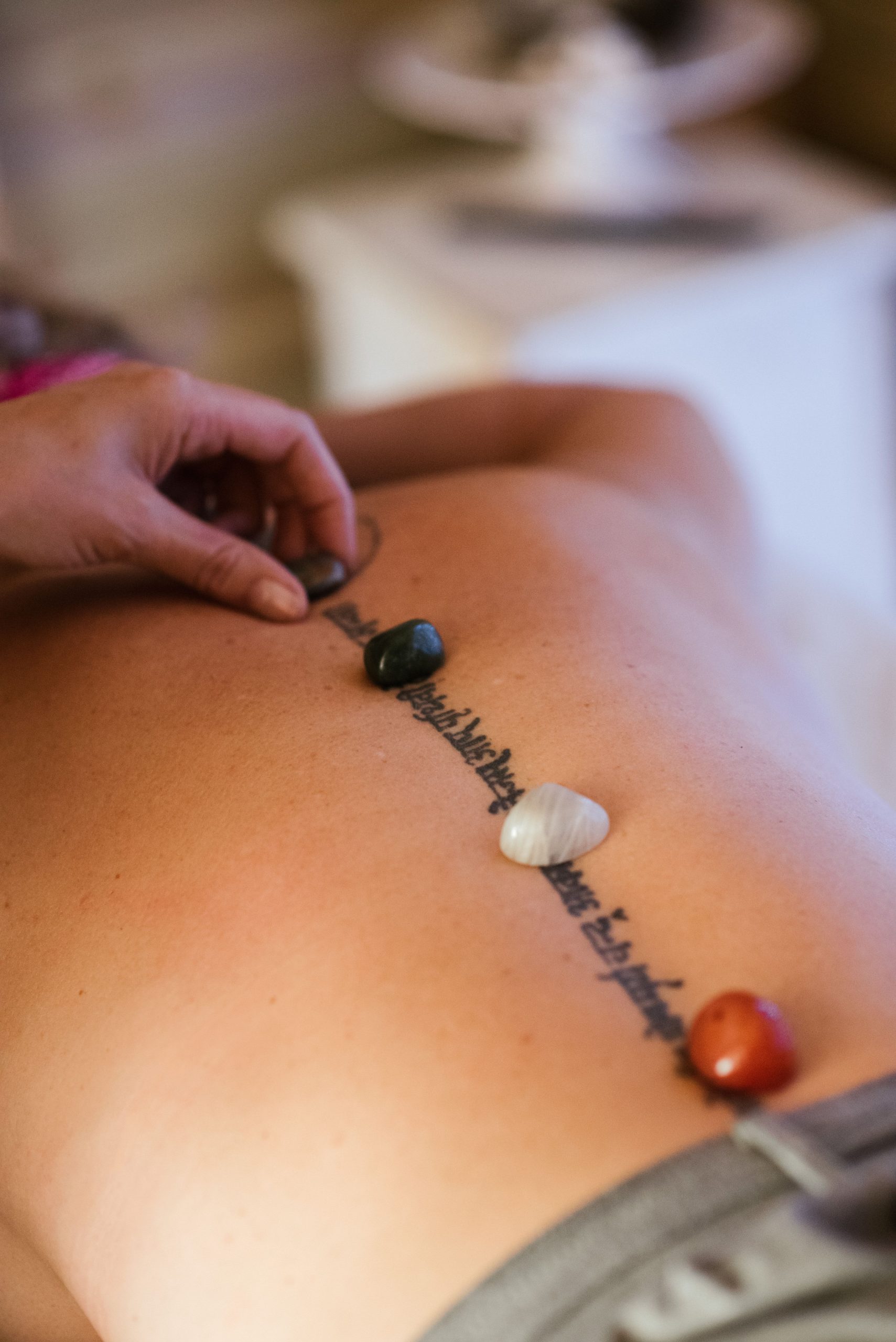
Welcome to Healing Seitai, a space I created to share simple, natural ways to understand the body, reduce tension, and feel more balanced in everyday life. My focus is on the connection between posture, movement, stress, and overall well-being. I believe the body often gives us signals long before we slow down enough to listen, and this site is here to help make those signals easier to understand.
Seitai is often connected with body balance, natural alignment, and helping the body return to a more comfortable state. I use this blog to explore those ideas in a practical way, without making wellness feel overwhelming or out of reach. Here, I write about posture habits, gentle movement, stretching, breathing, body awareness, stress relief, and small daily choices that can make a real difference over time.
My goal is not to make healing sound complicated. Life already does a fine job of that on its own. Instead, I want this site to feel calm, useful, and easy to follow. Whether you are dealing with stiffness, long hours sitting, stress-related tension, or simply want to better understand how your body works, I hope you find something here that helps.
Healing Seitai is about slowing down, paying attention, and giving the body the support it needs to move, rest, and recover more naturally. I’m glad you’re here, and I hope this site helps you feel more connected, balanced, and at ease in your body.

When I think about natural healing, I do not think about one dramatic solution that fixes everything overnight. I think about daily choices that help the body feel supported, calmer, and more balanced. The body is not a machine with one reset button, even though that would be convenient and probably sell for too much money. It responds to patterns: how I move, rest, breathe, eat, handle stress, and whether I listen when something feels off.
One of the most important natural healing tips I have learned is to slow down enough to notice what my body is saying. A stiff neck, tight jaw, sore lower back, shallow breathing, or constant fatigue can all be signals. Sometimes they are signs that I need more movement. Sometimes they are reminders that I have been tense for too long. The point is not to panic over every ache, but to pay attention before discomfort turns into a bigger problem.
Movement is one of the simplest ways I support natural healing. I do not believe movement has to be intense to matter. A walk, gentle stretching, shoulder rolls, or a few minutes of mobility can help the body feel less stuck. When I sit too long, my body reminds me that chairs are not humanity’s finest invention. Getting up, changing positions, and moving with awareness can make a real difference.
Breathing is another tool I come back to often. When I feel stressed, my breath usually becomes short and shallow. Taking a few slow breaths helps me settle my body and clear my mind. I like to pause, breathe through my nose, and let my shoulders drop. It is simple, but simple does not mean useless. Sometimes the body needs basic care more than complicated solutions.
Rest is also part of healing. Many people act like rest is a reward for finishing everything, but the body needs rest to function well in the first place. I try to see rest as maintenance, not laziness. Sleep, quiet time, stretching before bed, or stepping away from noise can help the nervous system recover. Without rest, even healthy habits feel harder.
Hydration is another small habit that matters. When I do not drink enough water, I feel more tired and stiff. Water will not magically solve every problem, but staying hydrated supports the body’s normal functions. It is one of those basic things that is easy to ignore. Apparently the body still wants water, despite our attempts to replace it with coffee and hope.
Food also plays a role in natural healing. I try to think less about perfection and more about nourishment. Meals with simple, whole foods can support energy, digestion, and recovery. That does not mean every bite has to be planned like a science project. It just means paying attention to how food makes me feel.
Another tip is to create moments of calm during the day. Stress can build quietly in the body. A few minutes of breathing, stretching, walking outside, or sitting without distractions can help reset my mood. Natural healing is not only physical. The mind and body affect each other constantly, whether I notice it or not.
For me, natural healing is not about rejecting modern care or pretending every problem can be solved at home. If pain is severe, sudden, or ongoing, getting professional help matters. Natural healing works best as daily support, not as a replacement for proper care when something serious is happening.
The most useful approach is consistency. Small habits, repeated often, can change how the body feels. I do not need to do everything perfectly. I just need to listen, move, breathe, rest, hydrate, and care for my body with patience. Healing often begins with those simple choices.
When I first started learning about bodywork, I thought it was mainly about fixing sore muscles or getting relief from a stiff back. That is definitely part of it, but over time I realized bodywork can be much more than that. It can be a way to understand the body, notice tension patterns, improve movement, and reconnect with how the body feels from day to day.
Bodywork is a broad term. It can include many different approaches, such as massage, stretching, mobility work, posture correction, breathing exercises, joint movement, and gentle hands-on techniques. Some styles are more relaxing, while others focus more on alignment, movement, or recovery. What they all have in common is the goal of helping the body feel and function better.
For me, the first step in understanding bodywork is learning to pay attention. Many people move through the day ignoring small signs from the body. A tight neck becomes normal. Rounded shoulders become normal. Shallow breathing becomes normal. Sitting for hours without moving becomes normal. The problem is that “normal” does not always mean healthy or comfortable. Sometimes it just means we have gotten used to feeling stiff.
Bodywork begins with awareness. Before trying to change anything, I like to notice what is already happening. Am I holding tension in my jaw? Are my shoulders lifted? Is one side of my body tighter than the other? Do I breathe deeply, or do I hold my breath when I am focused or stressed? These simple questions can reveal a lot. The body is always communicating, even if we have trained ourselves to ignore it like unread emails from our own nervous system.
One of the most beginner-friendly forms of bodywork is gentle stretching. Stretching does not have to be extreme or painful to be useful. In fact, I think many people push too hard because they assume more intensity means better results. I prefer slow, comfortable stretching that gives the body time to relax. A stretch should feel like an invitation, not a wrestling match with your hamstrings.
Breathing is another important part of bodywork. When I am stressed or tense, my breathing usually becomes short and shallow. That can make the body feel even tighter. Taking slow, steady breaths can help calm the nervous system and soften tension. Sometimes I use breathing before stretching or movement because it helps me slow down and become more aware of what I feel.
Posture is also a big part of bodywork. I do not think posture should be treated like a rigid military position. Good posture is not about forcing the body to stay stiff and upright all day. To me, healthy posture is about balance, ease, and the ability to move freely. If I sit or stand in one position too long, even a “good” position can become uncomfortable. The body likes movement. It was not designed to be folded into a chair for half the day, despite what desks and phones seem to believe.
A beginner can start bodywork with very small habits. Standing up every hour, gently rolling the shoulders, stretching the neck, taking slower breaths, or walking for a few minutes can all help. These are not dramatic changes, but they matter. The body often responds well to simple, consistent care.
I also believe bodywork should be approached with patience. Tension and discomfort often build over time, so it is unrealistic to expect everything to change overnight. If my shoulders have been tight for months, one stretch session may help, but it probably will not erase the pattern completely. Healing and balance usually come from repeated attention, not one heroic attempt to fix everything in ten minutes.
Another important lesson is knowing when to get professional help. Self-care is helpful, but it has limits. If pain is sharp, severe, spreading, or connected to an injury, it is better to speak with a qualified professional. Bodywork should support the body, not replace medical care when something more serious is going on. There is no prize for pretending pain is not real. The body keeps score, and it is annoyingly good at reminders.
For beginners, I think the best mindset is curiosity. Instead of asking, “What is wrong with me?” I prefer to ask, “What is my body trying to tell me?” That small change makes bodywork feel less frustrating and more respectful. The body is not an enemy. It is constantly adapting to stress, habits, posture, movement, and rest.
Bodywork, at its best, helps me feel more connected to myself. It reminds me to slow down, breathe, move with care, and notice what needs attention. I do not see it as something only for athletes, injured people, or wellness experts. I see it as a simple way to support everyday life.
A beginner’s guide to bodywork really begins with one idea: listen to the body. Start gently. Move often. Breathe fully. Pay attention. Over time, these small practices can help create more comfort, balance, and ease in the body.
When I think about mind-body balance, I think about the way my body responds before I even realize what is going on in my mind. Stress can show up as tight shoulders, a stiff neck, shallow breathing, headaches, or a heavy feeling that makes simple tasks feel harder than they should. For a long time, I thought of these things as separate problems. My body was tired, or my mind was busy. Over time, I started to understand that they are often connected.
Mind-body balance is not about being perfectly calm all the time. That would be nice, but real life does not usually work that way. To me, balance means paying attention to what my body is telling me and noticing how my thoughts, emotions, posture, and habits affect the way I feel. When my mind is overwhelmed, my body often carries the tension. When my body is uncomfortable or stiff, my mood and focus can also change.
One of the simplest ways I try to reconnect with my body is by slowing down for a moment. I might notice how I am sitting, whether my jaw is tight, whether my shoulders are raised, or whether I am breathing deeply or barely breathing at all. These small checks do not take much time, but they can make a big difference. Sometimes just noticing tension helps me release it.
Movement also plays an important role in mind-body balance. I do not believe movement has to be intense to be useful. Gentle stretching, walking, rolling the shoulders, or standing up after sitting too long can help the body feel less trapped. When I move with awareness, I feel more present. It reminds me that my body is not just something carrying me through the day. It is part of how I experience life.
Breathing is another simple tool I come back to often. When I am tense, my breathing usually becomes short and shallow. Taking a few slower breaths can help settle my nervous system and bring my attention back to the present moment. It is not magic, and it does not erase every problem, but it gives my body a signal that I am safe enough to relax a little.
I also believe that rest is part of balance. Many people treat rest like something they have to earn, but the body does not work well when it is pushed constantly. Rest gives the muscles, mind, and nervous system time to recover. Even a few quiet minutes can help create a sense of space.
For me, mind-body balance is a daily practice, not a final destination. Some days feel calm and easy. Other days feel tense and scattered. The goal is not perfection. The goal is awareness. When I listen to my body, move with care, breathe more fully, and give myself permission to rest, I feel more connected to myself.
Healing Seitai is about that connection. It is about understanding the body as something wise, responsive, and worth listening to. The more I pay attention, the more I realize that balance often begins with small choices made throughout the day.